






























































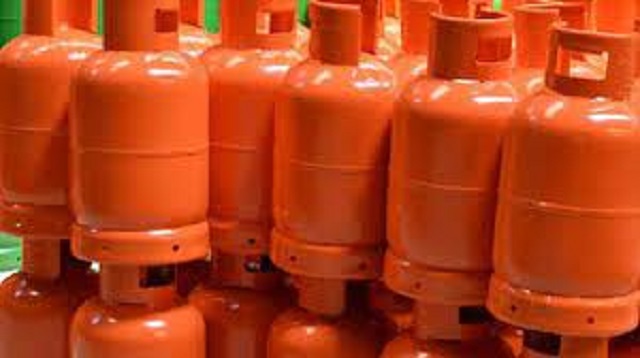
Domestic gas explosions have become the leading cause of burn-related deaths at the University College Hospital (UCH), Ibadan, with victims increasingly arriving with extensive burns and severe inhalation injuries, a leading burns specialist has said.
Dr Olukayode Iyun, a plastic surgeon and consultant in charge of burns at UCH, said the trend had become a growing public health concern as more Nigerians switch to domestic gas for cooking.
He stressed that he was referring specifically to deaths from burn injuries, rather than the overall number of burn cases treated at the hospital.
Iyun, immediate past president of the Nigerian Burn Injuries Society and president-elect of the Pan-African Burn Society, said UCH sees severe gas-related burn cases almost every week.
Frequency
“Almost every week we have at least one new burn patient. Sometimes you have two,” he said.
Some of the victims, he added, do not survive because of the extent of their burns and associated inhalation injuries.
He said the danger is amplified when an explosion occurs inside a home, as victims can suffer burns over a large percentage of the body while simultaneously inhaling hot gases and smoke.
According to him, in one of the latest cases, nine members of a family and other occupants of a building were caught up in a gas-related incident. The victims included a child, mother, grandmother, and tenants living upstairs.
“This week we had a family of nine. I think two weeks ago we had two people. The week before we had another; it just goes on and on. It just doesn’t seem to be stopping,” he said.
Warning
The specialist also warned that the high cost of treating severe burns is putting survival beyond the reach of many victims. He cited a case presented at a professional meeting in which treatment at a private facility in Lagos reportedly cost almost N40 million for one patient.
“If you have to spend so much resource just to manage one patient, you realise that most of them will most likely not be able to afford it,” Iyun said.
Iyun said authorities must urgently establish whether the rising incidents are linked to faulty cylinders, compromised safety standards, gas quality, improper installation, or unsafe handling.
He also expressed concern about the growing use of portable “camp” gas cylinders inside homes, warning that when gas cylinders are placed close to cooking areas, an explosion can expose occupants directly to the blast and flames.
“We really want to know, is it the gas, the standards that are being compromised in one form or the other, or are people just being ignorant about it?” he said.
Iyun called for tougher enforcement of existing safety and building regulations, alongside stronger public education.
He urged regulatory agencies to ensure that gas cylinders meet required standards and warned households against using faulty or improperly refurbished cylinders.
“If you are going to use a camp gas, then it has to be from certified places where they know that the cylinders are actually of standards,” he said.
Faulty equipment, he added, should be replaced or properly repaired rather than “managed.”
He also advocated safer gas installations that, where possible, separate the gas source from the point of ignition.
Iyun said other causes of burns recorded at the hospital include scalds, fires, road crashes, and unsafe attempts to ignite refuse, with scalds more common among children, particularly those below five.
He recalled a case involving a child who used petrol to start a fire and was caught in the resulting flames.
With Nigeria increasingly dependent on domestic gas for household cooking, Iyun said preventing further deaths requires concerted action from government, regulators, industry, and consumers.
The burns specialist urged the government to ensure that safety standards are not merely written into law but are effectively enforced.
He also urged households to use certified gas equipment, replace or repair faulty cylinders promptly, and ensure that gas installations are safely positioned and, where possible, properly separated from points of ignition.
Credit: tribuneonlineng.com