







































![L-R: Managing Director, BGL Securities Limited, Arnold A. Dublin-Green; Assistant Vice President, Financial Derivatives Limited, Dr. Ifeoma Nwokolo; CEO, Centre for the Promotion of Private Enterprise [CPPE], Muda Yusuf (speaker); Chairman of the Occasion, Chief Paul Usoro; Dean, Lagos Business School, Information Systems, Prof. Olayinka David-West; Managing Director/CEO, Financial Derivatives Company, Bismarck Rewane; Group Chief Branding & Communications Officer, Dangote Industries Limited, Anthony Chiejina at Dangote Petroleum Refinery & Petrochemicals IPO Roadshow tagged “Back to where it all began” in Port Harcourt. Rivers State on Monday, October 12, 2026…](https://pmparrotng.com/wp-content/uploads/2026/10/Dangote-imagee-180x135.jpg "As Dangote Refinery’s IPO Nears Close, Small Investors Take Center Stage")
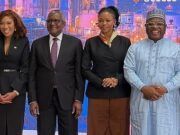






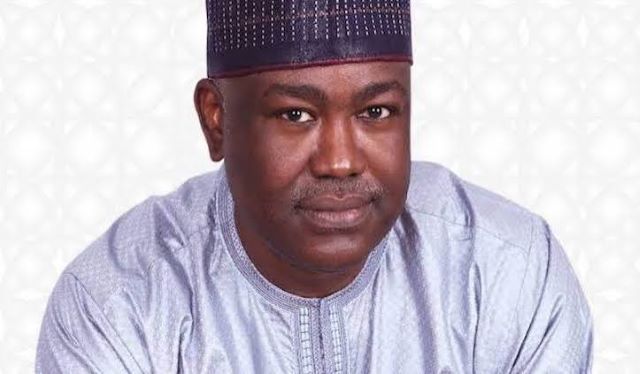
A chieftain of the Accord Party and factional presidential candidate, Gbenga Olawepo-Hashim, has said petrol should not sell for more than ₦605 per litre.
Hashim stated this while speaking on Channels Television’s Politics Today on Saturday.
He faulted the Federal Government’s handling of the long-running fuel subsidy debate, describing it as “accounting magic.”
Cost Of Petrol
The Accord chieftain stated that the cost of petrol in the country was being inflated by the way domestically produced crude oil was priced and accounted for, rather than by the actual cost of producing and delivering the commodity.
He said, “₦605 per litre is our starting sustainable price for petrol. Nobody will buy petrol above ₦610 under our government. It could be as low as ₦200,” he said.
Hashim said the proposed ₦605 price would not amount to a return to an opaque subsidy regime but would reflect what he described as a sustainable cost structure.
According to him, the government must first establish the actual cost of producing crude, refining it and transporting petroleum products before determining whether Nigerians are being subsidised.
He added that the country had historically used international crude prices as a benchmark for domestic petroleum pricing without adequately accounting for the difference between the international opportunity value of crude and its actual cost of production in Nigeria.
“The truth of it is that the price is currently inflated. By who? By the government,” he said.
Criticism
Hashim, who has consistently criticised the removal of petrol subsidy, maintained that the term “subsidy” had been wrongly applied to the difference between domestic petroleum prices and international crude benchmarks.
“What you have had really has never been any subsidy, even when we had lower pump petrol prices. The subsidy issue is more of an accounting magic,” he said.
He explained that, based on figures he attributed to the Nigerian National Petroleum Company Limited, domestic crude production costs were about $30 per barrel.
He said adding a $15 margin to the production cost, alongside about $5 for refining and $7 for transportation and insurance, would bring the estimated cost to about $57 per barrel.
Using an exchange rate of ₦1,400 to the dollar, Hashim said his calculation would translate to a petrol price of about 34 cents, or approximately ₦501 per litre.
He said the ₦605 proposal would therefore allow for an additional energy tax of about ₦100 per litre, which could be used to develop alternative energy sources.
Hashim maintained that the country should reconsider the practice of pricing crude supplied to domestic refineries at international market rates.
“You cannot price your local products at international price,” he said.
He cited Saudi Arabia and Kuwait as examples of oil-producing countries that, according to him, do not price crude supplied to their domestic markets in the same manner as crude traded internationally.
The Accord candidate said international crude prices represented an opportunity cost and should not automatically determine the price of crude allocated for domestic consumption.
He consequently called for an independent forensic audit of the country’s petroleum cost structure to establish what it actually costs to produce and deliver petrol to Nigerian consumers.
According to him, the audit should cover crude production, contracting, procurement, refining, transportation, storage, insurance, pipeline operations and distribution.
“Show Nigerians the books. Publish the production cost. Publish refinery cost. Publish transportation. Publish insurance. Publish every margin. Let the data speak,” he said.
Credit: punchng.com