




























































Nearly half of Nigerian households manage long-term health conditions, while 52 percent of surveyed adults have experienced financial hardship or gone without treatment because of healthcare costs, a new report by Gatefield has revealed.
The Longevity Factors Report, based on a pilot survey of 1,070 adults in Lagos, Kano and the Federal Capital Territory (FCT), also found that one in eight young adults aged 18 to 35 lives with a chronic illness.
Findings
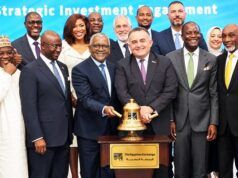
Gatefield’s Lead Strategist, Adewunmi Emoruwa, presented the findings on Wednesday at the opening of the Gatefield Health Summit 2026 in Abuja, where stakeholders called for reforms to healthcare delivery, sustainable financing, and greater emphasis on disease prevention.
The Gatefield Health Summit brings together policymakers, health experts, development partners and civil society organisations to explore strategies for building equitable, resilient and locally driven healthcare systems across the continent.
Report
According to the report, 27 percent of respondents borrowed money to pay for healthcare, 25 percent relied on family support, 14 percent cut spending on food and other necessities, while 13 percent sold personal assets to meet medical expenses.
Emoruwa said systemic barriers, including corruption and weak public services, prevented Nigerians from accessing essential healthcare.
“A sick body is only half the tragedy. When you reach out for help, you realise the barrier isn’t just medical. It is systemic. Politics is cutting our lives short,” he said.
The report found that 75 percent of respondents had experienced or witnessed corruption while accessing public services in the preceding year, while 33 percent had missed a needed public health service, including vaccination, screening or essential medication.
It also identified environmental hazards as significant concerns, with 69.7 per cent of respondents reporting exposure to extreme heat and 54 per cent to air pollution.
Warning
The report warned that these conditions could worsen complications among people living with asthma, hypertension and cardiovascular diseases, increasing their risk of severe illness and hospitalisation.
Speaking at the summit, the Special Adviser to the President on Health, Dr Salma Ibrahim Anas, called for sustainable domestic financing and stronger legislative support to improve healthcare delivery.
She said effective health interventions already exist but often fail to reach the populations that need them most.
“There are health interventions that have been invented that are truly effective. It is counterproductive when these solutions don’t reach the people they are supposed to start with,” Anas said.
She added that the government remained committed to expanding existing interventions and collaborating with development partners to strengthen Nigeria’s healthcare system. BuyMaps
The summit also examined technology’s role in addressing Africa’s health challenges.
The World Intellectual Property Organisation’s Global Health Lead, Siddhartha Prakash, advocated locally developed artificial intelligence systems, noting that technologies trained on foreign data might not adequately reflect Nigeria’s population and healthcare needs.
Participants also called for food systems to be recognised as essential public health infrastructure, arguing that nutrition and primary healthcare should work together to prevent disease and improve longevity.
Kofoworola Odozi, editor at WeAreGST, urged the media to hold companies accountable for products and practices that threaten public health.
“We must use media to hold the companies that put the lives of Nigerians at risk the same way they use media to promote and sell their goods,” she said.
Credit: thenationonlineng.net