










































The Joint Health Sector Unions (JOHESU) has threatened fresh industrial action over the Federal Government’s failure to implement the agreed adjustment to the Consolidated Health Salary Structure (CONHESS), warning that its members’ patience has run out.
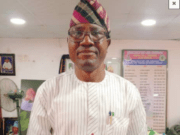
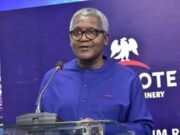
The President of the Medical and Health Workers’ Union of Nigeria (MHWUN), Dr Kabiru Sani, said the government had failed to honour the agreement to implement the salary adjustment in April 2026, as stipulated in the Terms of Settlement that led to the suspension of JOHESU’s 84-day nationwide strike on February 5, 2026. Nigerianews subscription
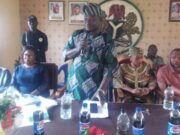
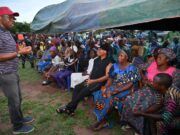
Sani spoke on Wednesday at the 52nd National Executive Council meeting of MHWUN in Abuja, where he accused the government of delaying implementation despite the prolonged industrial action and sacrifices made by health workers.
“Regrettably, the Federal Government seems not to have learnt any lesson from the last strike action, as it has continued to drag and delay the matter against the spirit of the Terms of Settlement.
“The April 2026 date that was promised for implementation has passed without the CONHESS adjustment,” he said.
He said JOHESU was also demanding payment of outstanding arrears owed to its members, including workers in non-hospital-based health institutions and agencies, as well as the inauguration of governing boards of federal health institutions.
Sani warned that the government’s failure to honour agreements with organised labour could undermine industrial peace and worsen the challenges facing the country’s healthcare system.
“Government should understand that nothing is more expensive than a signed agreement that is not honoured, as it costs the State its credibility and it costs the patient quality care,” he said.
The MHWUN president said JOHESU had exercised restraint and remained open to dialogue despite the delays, but warned that its peaceful disposition should not be taken for granted.
“JOHESU has shown greater understanding, but it seems that our peaceful disposition is being taken for granted,” he added.
He stressed that the 84-day strike suspended on February 5 had neither been called off nor abandoned, insisting that the government bore responsibility for preventing another round of industrial action.
“While we remain open and continue to engage the government, it is important to note that the last strike was suspended, not called off or abandoned.
“The responsibility rests on the shoulders of the Honourable Coordinating Minister of Health and Social Welfare and the Honourable Minister of Labour to prevent another round of industrial action that is imminent in the health sector, as the patience of our members has been stretched beyond the limit,” he said.
Sani, however, disclosed that JOHESU was awaiting further directives from the Nigeria Labour Congress and the Trade Union Congress of Nigeria, which had reportedly indicated their readiness to take over the unions’ demands. Nigerianews subscription
Beyond the salary dispute, he expressed concern over inadequate healthcare funding, poor welfare of health professionals and the migration of skilled personnel.
Citing figures attributed to the leadership of the Nigerian Medical Association and the National Association of Nigeria Nurses and Midwives, he said that although more than 130,000 doctors were registered with the Medical and Dental Council, only about 55,000 were practising in Nigeria. Nigerianews subscription
He also said more than 57,000 Nigerian nurses had left the country within five years, attributing the development to chronic underfunding, poor welfare and unsafe working conditions.
According to him, the migration of health professionals was a response to a system that had failed to provide decent working conditions and adequate incentives for its workforce.
Sani called on the Federal Government to prioritise healthcare financing and workers’ welfare, arguing that a functional health system was essential to sustainable national development.
He also faulted the allocation of ₦2.48tn to the health sector in the 2026 national budget, saying it represented less than five per cent of the total budget and fell short of Nigeria’s 15 per cent commitment under the Abuja Declaration.
On the economy, the MHWUN president backed the NLC’s demand to renegotiate the national minimum wage, saying the decline in headline inflation had yet to translate into improved living conditions for workers.
He said rising food, transportation, housing and energy costs continued to erode workers’ purchasing power, and called for substantial palliatives to cushion the effects of economic hardship.
Sani said the union would continue to engage the government but would not abandon its responsibility to defend the welfare, dignity and rights of healthcare workers.
Credit: thenationonlineng.net