




















































![L-R: Managing Director, BGL Securities Limited, Arnold A. Dublin-Green; Assistant Vice President, Financial Derivatives Limited, Dr. Ifeoma Nwokolo; CEO, Centre for the Promotion of Private Enterprise [CPPE], Muda Yusuf (speaker); Chairman of the Occasion, Chief Paul Usoro; Dean, Lagos Business School, Information Systems, Prof. Olayinka David-West; Managing Director/CEO, Financial Derivatives Company, Bismarck Rewane; Group Chief Branding & Communications Officer, Dangote Industries Limited, Anthony Chiejina at Dangote Petroleum Refinery & Petrochemicals IPO Roadshow tagged “Back to where it all began” in Port Harcourt. Rivers State on Monday, October 12, 2026…](https://pmparrotng.com/wp-content/uploads/2026/10/Dangote-imagee-180x135.jpg "As Dangote Refinery’s IPO Nears Close, Small Investors Take Center Stage")







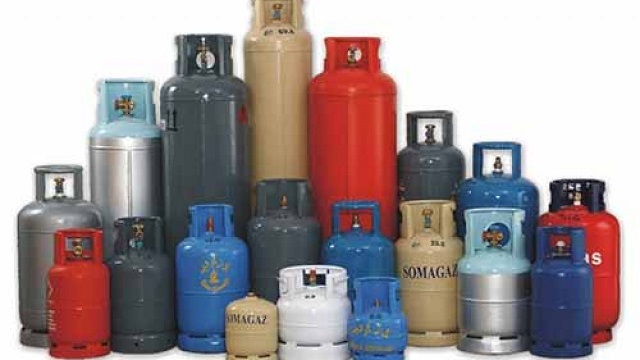
Two weeks after the Federal Government’s emergency intervention in the liquefied petroleum gas market, marketers say cooking gas prices have yet to return to normal despite improved product supply and easing market tensions.
Although supply has improved significantly following the emergency stakeholders’ meeting convened in Abuja by the Minister of State for Petroleum Resources (Gas), Ekperikpe Ekpo, on June 22, consumers across the country are still paying between N1,300 and N1,650 per kilogramme for cooking gas.
Before the scarcity and price surge that started in May, a kilogramme of cooking gas was selling for below N1,000. It rose to as high as N2,500 in some locations in June before the minister’s intervention.
Speaking with our correspondent, the National President of the Nigerian Association of Liquefied Petroleum Gas Marketers, Edu Inyang, said prices have yet to return to previous levels despite significant reductions.
In The Beginning
Last week, Inyang told The PUNCH that retail prices had begun to ease after weeks of sharp increases, with cooking gas selling for between N1,100 and N1,350 per kilogramme in Lagos, Ibadan and Abeokuta; N1,150 and N1,400/kg in Benin City, Port Harcourt and Warri; N1,200 and N1,450/kg in Onitsha and Enugu; N1,250 and N1,500/kg in Abuja; while consumers in Kano and Kaduna paid between N1,300 and N1,550/kg. Maiduguri and parts of the North-East recorded the highest prices at between N1,350 and N1,650/kg.
Giving a fresh update, Inyang said the government’s intervention had succeeded in restoring stability to the market but had yet to make cooking gas affordable for millions of households.
“Two weeks after the emergency stakeholders’ meeting convened in Abuja by the Minister of State for Petroleum Resources (Gas), Ekperikpe Ekpo, Nigeria’s LPG market has shown early signs of stabilisation, but the crisis is far from over. The meeting succeeded in calming market panic and improving supply, yet it has not translated into a significant reduction in retail cooking gas prices for consumers,” he said.
According to him, the emergency meeting was convened after terminal prices surged sharply, pushing retail prices to between N1,800 and N2,500 per kilogramme in many cities as marketers battled severe supply shortages, rising depot and landing costs, higher logistics expenses, panic buying and speculative stocking.
Gas Agenda
He noted that the situation threatened the Federal Government’s Decade of Gas agenda, as many households abandoned cooking gas for firewood and charcoal. Inyang said one of the major gains from the Abuja meeting was the improvement in product availability across the country.
“National LPG supply sufficiency increased from approximately 11 days to 22 days. Average daily supply increased from about 4,262 metric tonnes in May to over 5,000 metric tonnes in June,” he stated.
He explained that while product scarcity had reduced considerably and depot prices had become more stable, retail prices remained elevated because of factors beyond supply.
“The immediate impact has been greater product availability rather than lower prices. Across major markets, product scarcity has reduced considerably. Panic buying by marketers has eased. Most filling plants now have access to supply. Depot prices have become relatively more stable compared to the volatility experienced before the meeting.
“However, retail prices remain stubbornly high. While prices have stopped escalating at the previous pace, consumers are yet to experience meaningful relief because international LPG prices remain elevated, foreign exchange costs continue to increase import expenses, transportation and inland distribution costs remain high, domestic production is still insufficient to fully satisfy national demand, and market competition has not yet driven prices downward,” he said.
According to Inyang, many households continue to ration LPG consumption or switch to cheaper cooking fuels despite the improved supply situation. Assessing the outcome of the government’s intervention, he said the meeting should be regarded as the first step towards resolving the crisis rather than a complete solution.
“From an industry perspective, the emergency meeting should be viewed as a successful first intervention rather than a complete solution. The meeting achieved three immediate objectives. It restored confidence within the supply chain, improved communication between government and industry operators, and prevented a deeper supply disruption that could have driven prices even higher.
“Nevertheless, it has not addressed the structural factors responsible for high LPG prices, including inadequate domestic production, infrastructure deficits, logistics bottlenecks, foreign exchange exposure and pricing distortions,” he stated.
Optimism
Looking ahead, Inyang expressed optimism that continued implementation of the resolutions reached at the Abuja meeting would gradually improve the market.
“If the commitments made during the Abuja meeting are implemented consistently over the coming weeks, Nigeria could experience improved nationwide product availability, more stable depot prices, gradual moderation of retail prices and renewed consumer confidence in LPG.
“However, if implementation slows or domestic supply fails to expand, the market could quickly return to volatility, particularly during periods of increased demand. The Abuja emergency stakeholders’ meeting has stabilised the LPG market without yet making cooking gas affordable.
“Supply conditions have improved markedly, and fears of widespread shortages have receded. Yet, for millions of Nigerian households, the true measure of success will be a sustained reduction in the price of cooking gas. Until structural supply, logistics and pricing challenges are resolved, affordability will remain the industry’s biggest concern, despite the positive momentum generated by the minister’s intervention,” he said.
Credit: punchng.com