






























































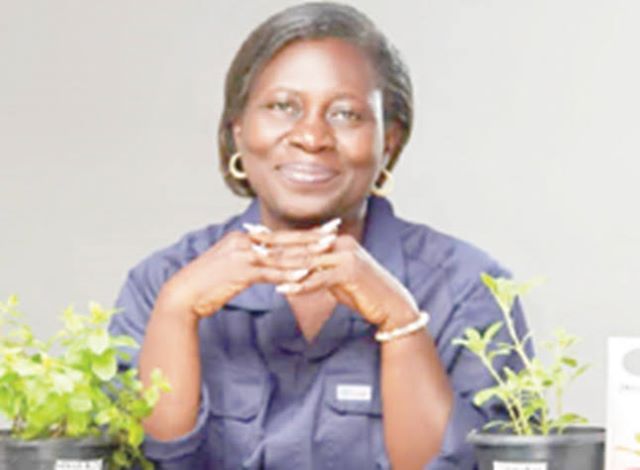
Lady Oluwatomi Olatoye, promoter of home agriculture and owner of Urban Agriculture and Gardening Academy, Ibadan, recently spoke with Olayinka Agboola on Splash 105.5FM’s Parrot Xtra/Ayekooto radio programme. She discussed urban agriculture, growing food in limited spaces, household food security, wellness plants and herbs, income opportunities, value addition and the role of government in promoting home agriculture. Excerpts:
Before we begin, let me acknowledge Sir, Architect Muyiwa Ige, who saw the announcement of your appearance on social media and bought five minutes on the programme for you to showcase your work. Now, how did your journey into home agriculture begin?
I’m delighted to be here. I would like to thank you, Ambassador Olayinka Agboola and the entire ParrotXtra Crewmembers for having me. I also want to appreciate Architect Muyiwa Ige for supporting this initiative. Thank you very much.
So, I will tell you that the idea of urban agriculture is an inspiration from God and I have been focused and determined. To the glory of God, we are making progress. We are not stopping because food security in Nigeria and indeed, all over the world, is a serious matter o!
For those new to the concept, what exactly is urban agriculture?
Urban agriculture simply means farming in the city. The word ‘urban’ refers to a city, so urban agriculture encourages people who live in cities to grow some of their own food where they live. You may not be able to grow everything you eat, but almost everyone can grow one or two things.
For example, vegetables such as ewedu, tete, shoko and ugu can be grown at home. Ewedu can begin to provide leaves for harvesting in about three weeks under suitable growing conditions. You do not need a large farm or a big compound. With the right containers, soil and care, you can grow vegetables in a small space.
How can someone with limited space get started, and can urban gardening also become a source of income?
Yes. I encourage people to look at urban agriculture from two perspectives: growing food for household use and growing food as a business. First, make a list of the ingredients you regularly use when cooking. These may include tomatoes, peppers, vegetables and other ingredients. Then identify which of them you can realistically grow in the space available.
You could begin with vegetables such as ewedu, tete, ebolo, shoko and ugu. Start small, learn how to care for the plants, and expand as your confidence and experience grow. A small garden can reduce household food costs, and a well-managed garden may also create opportunities to sell produce.
Your work also covers wellness plants and herbs. What do you teach people about them?
Our gardens can include herbs and other useful plants, alongside vegetables. We also teach people about nutrition and the value of using natural herbs and spices appropriately. We work with culinary schools, chefs and caterers, because the people who prepare meals have an important role in helping the public make healthier food choices.
We collaborate with chefs who come to our garden for training on herbs and spices they can use in cooking. We also engage caterers because they influence the food served at parties and other events. Our aim is to encourage healthier, more informed food choices.
You mentioned stevia. What should people know about it?
Stevia is used as a sweetener. People should learn about any plant or plant-based product before using it, especially if they have a health condition or take medication. Food and herbs can contribute to a healthy lifestyle, but they should not be presented as a substitute for professional medical care.
Beyond selling fresh vegetables, what other income opportunities exist in urban agriculture?
Certainly. There are opportunities in seedling production, selling young plants and adding value to harvested produce. For example, tomatoes can be processed into powder when they are properly dried and handled. Value addition can help reduce waste and create products that may be easier to store or market. Anyone planning to sell processed food should follow the relevant food-safety and regulatory requirements.

What support can government provide to make urban agriculture more effective?
Support can include training, access to water and suitable growing spaces, public awareness, and programmes that help people develop practical agricultural skills. Urban agriculture can contribute to food security and livelihoods when people have the knowledge and support they need.
For those who want to learn, how can they access your academy and its programmes?
We have a garden and academy at the National Museum of Unity in Aleshinloye, Ibadan. We train people on setting up a garden, managing plants, using appropriate organic fertilisers and pest-control methods, and marketing their products. Lack of space does not always have to be a barrier; we show participants how to make use of the space available to them.
We also offer training for schools, teachers, banks and corporate organisations. One programme is employee wellness garden training, where staff learn how to grow vegetables in available spaces at their workplace. Healthy eating and practical gardening skills can support employee wellbeing and may help people supplement their household food supply.
Finally, what would you like Nigerians who are interested in urban agriculture to do?
I appreciate this opportunity. I believe all Nigerians listening to us have benefitted one way or the other. Those desirous of joining the train should contact me via this number: 08052069264 via WhatsApp.