

























































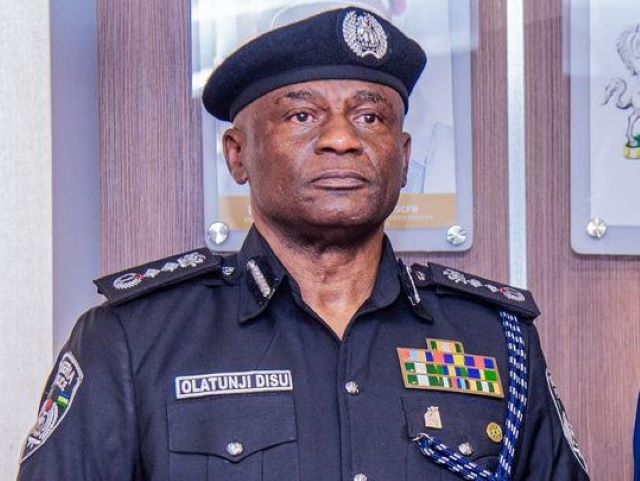
Sometimes symbolism demands responsibility. The new Inspector-General of Police bears the name Rilwan Olatunji Adio Disu.
R.O.A.D.
At a time when the Nigeria Police Force is burdened by structural tension, morale anxiety, and public distrust, the metaphor writes itself. Nigeria does not simply need continuity in policing. It needs a new road.
But symbolism is useless unless converted into structure.
If ROAD is to mean anything beyond coincidence, it must define reform architecture:
R – Reprofessionalisation
O – Organisational Equity
A – Accountability
D – Discipline with Dignity
And the most urgent of these is Organisational Equity.
Reprofessionalization: Beyond Uniform, Toward Competence
The Nigeria Police Force faces increasingly sophisticated threats — cybercrime, insurgency networks, financial crime, cross-border criminal syndicates. Yet investigative depth, forensic capacity, and intelligence infrastructure remain inconsistent.
Reprofessionalisation is not cosmetic training. It requires:
Modern investigative tools; continuous retraining pipelines; Digital policing integration; Depoliticised operational decisions; Policing in the 21st century cannot function on 20th-century frameworks.
Public trust is not restored by rhetoric. It is restored by competence. But competence alone will not repair internal fractures.
Organisational Equity: The Quiet Friction Within
Within the Force, promotion structure remains a delicate subject.
Entry pathways differ significantly. Cadet ASP entrants begin at a comparatively senior rank. Inspector-cadre entrants climb from a different base. Over time, accelerated promotions tied to high-profile appointments — particularly in media-facing or strategic offices — have generated sustained conversation about parity. This is not about personal attack. It is about systemic clarity.
When officers perceive that visibility can override seniority without transparent criteria, morale weakens. When accelerated advancement appears discretionary rather than codified, resentment accumulates. Resentment in a disciplined institution is corrosive.
The Police Service Commission and Federal Government must confront this directly. Not quietly. Not defensively. Transparently.
Questions that demand structural answers:
Are promotion criteria clearly published and consistently applied?
Are accelerated promotions tied to codified benchmarks?
Is seniority meaningfully protected?
Is merit objectively measurable?
The Force cannot afford internal suspicion.
An officer who feels structurally disadvantaged will struggle to operate with institutional confidence.
Organisational equity is not sentimental. It is strategic.
Accountability: Internal Justice Before External Justice
Public perception of the Nigeria Police Force remains fragile. Allegations of selective enforcement, internal compromise, and uneven discipline continue to surface.
Accountability must be consistent and visible.
Internal disciplinary systems must be insulated from hierarchy interference. External complaint channels must be credible and accessible.
Without accountability, professionalism becomes performance.
Without transparency, discipline becomes fear.
If the ROAD is to endure, accountability must be institutionalised — not episodic.
Discipline with Dignity: Reform the Spine
The Nigeria Police Force remains one of the most exposed public institutions in the country. Officers confront violent threats, public hostility, and welfare constraints.
Yet discipline cannot be divorced from dignity.
Housing deficits, insurance gaps, psychological strain, and inconsistent welfare support weaken morale. Reform without welfare is incomplete.
A disciplined Force that feels abandoned internally will project insecurity externally.
Dignity stabilises discipline.
The Hard Question: Can the Structure Be Rebalanced?
IGP Disu now carries more than the authority of office. He carries the burden of internal expectation.
The Force needs clarity.
If accelerated promotions exist, codify them transparently.
If entry disparities create tension, harmonise long-term progression pathways.
If seniority matters, protect it visibly.
Silence breeds speculation.
Speculation breeds division.
Division weakens command.
This is not about undoing history. It is about stabilising the future.
Nigeria’s security challenges demand a unified Force. Insurgency, kidnapping networks, economic crimes – these threats do not pause for internal friction.
A divided structure cannot deliver cohesive security.
The ROAD Forward
R – Reprofessionalise operations.
O – Rebalance organisational fairness.
A – Reinforce accountability.
D – Restore discipline with dignity.
This is not symbolic reform. It is structural recalibration.
IGP Rilwan Olatunji Adio Disu has an opportunity rare in public leadership — to transform coincidence into mandate.
His initials form ROAD.
Nigeria’s policing system requires one.
The question is whether the metaphor will remain poetic — or become policy.
History will not judge this tenure by ceremonial parades or press briefings.
It will judge it by structural courage.
And structural courage begins from within.
- Lanre Ogundipe, Public Affairs Analyst, former President Nigeria and Africa Union of Journalists writes from Abuja