































































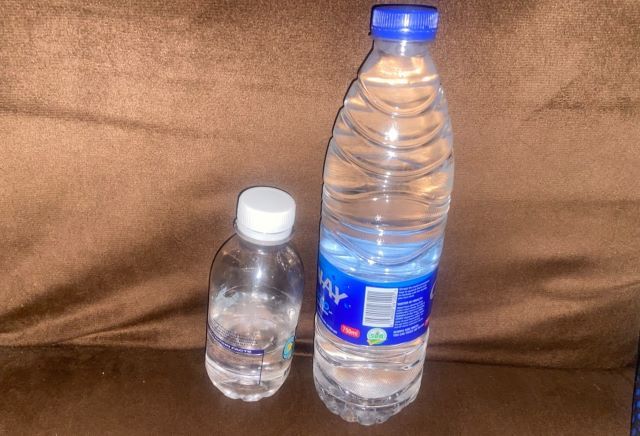
Many people find it very convenient to reuse single-use plastic bottles for everyday activities.
Whether it is packing warm water for school children, carrying hot tea to the office, or storing hot local herbs like agbo, these light plastic bottles seem like the easiest option available in our households.
However, using disposable plastic bottles to hold hot liquids is a dangerous habit that silently puts your health at serious risk. Most of these soft bottles are produced for one-time use at room temperature or cold conditions. When high temperatures touch them, the chemical structure of the plastic changes almost immediately.
This article examines the major health dangers associated with pouring hot liquids into disposable plastic bottles and why you should switch to safer alternatives today.
Chemical leaching into drinks
When hot liquids enter a disposable plastic bottle, the intense heat breaks down the chemical bonds of the material. This breakdown causes harmful chemicals like Bisphenol A (BPA) and phthalates to leach, or leak directly into your drink. Even if the bottle is labelled “BPA-free,” high heat can still release other dangerous substitute chemicals that contamination experts warn against.
According to research findings published by the National Institute of Environmental Health Sciences (NIEHS), exposure to leached chemicals like BPA can interfere with the body’s natural endocrine system. When you consume these chemicals repeatedly over time, they imitate natural hormones and disrupt your body’s regular functions.
Risk of hormone disruption and long-term illnesses
The toxic chemicals released by heated plastic act as endocrine disruptors inside the human body. Once these substances get into your bloodstream through contaminated water or tea, they interfere with your glands and block normal hormone signals. This artificial imbalance can cause severe internal damage that builds up gradually without early warning signs.
Long-term exposure to hormone-disrupting chemicals is linked to severe conditions such as reproductive problems, reduced fertility, thyroid imbalance, and an increased risk of developing certain cancers, including breast and prostate cancer.
Disposable plastic bottles are not built to withstand high temperatures or repeated washing. Heat causes the inner surface of the plastic to degrade quickly, causing microplastics tiny, microscopic pieces of plastic to shed directly into your hot drink. You cannot see these microparticles with your naked eye, but you ingest them with every sip you take.
Microplastics are already widespread in bottled water globally, and applying heat significantly multiplies the rate at which these particles shed into liquids. Once swallowed, microplastics can lodge in organ tissues, causing chronic internal inflammation and weakening your immune system.
Bacterial accumulation and severe physical burns
Single-use plastic bottles warp, melt, and bend very easily when they touch hot liquids. This structural damage can lead to sudden structural collapse, causing hot liquid to spill all over your hands or body and leading to severe skin burns.
Furthermore, heat creates tiny cracks and microscopic grooves on the inner walls of the plastic bottle.
These small crevices serve as perfect hiding spots for dangerous bacteria to breed. Because thin disposable bottles cannot be properly sterilized with boiling water without destroying them, dangerous germs like E. coli continue to grow inside, leading to frequent stomach upsets, diarrhea, and bacterial infections.
Credit: tribuneonlineng.com