






















































![L-R: Managing Director, BGL Securities Limited, Arnold A. Dublin-Green; Assistant Vice President, Financial Derivatives Limited, Dr. Ifeoma Nwokolo; CEO, Centre for the Promotion of Private Enterprise [CPPE], Muda Yusuf (speaker); Chairman of the Occasion, Chief Paul Usoro; Dean, Lagos Business School, Information Systems, Prof. Olayinka David-West; Managing Director/CEO, Financial Derivatives Company, Bismarck Rewane; Group Chief Branding & Communications Officer, Dangote Industries Limited, Anthony Chiejina at Dangote Petroleum Refinery & Petrochemicals IPO Roadshow tagged “Back to where it all began” in Port Harcourt. Rivers State on Monday, October 12, 2026…](https://pmparrotng.com/wp-content/uploads/2026/10/Dangote-imagee-180x135.jpg "As Dangote Refinery’s IPO Nears Close, Small Investors Take Center Stage")







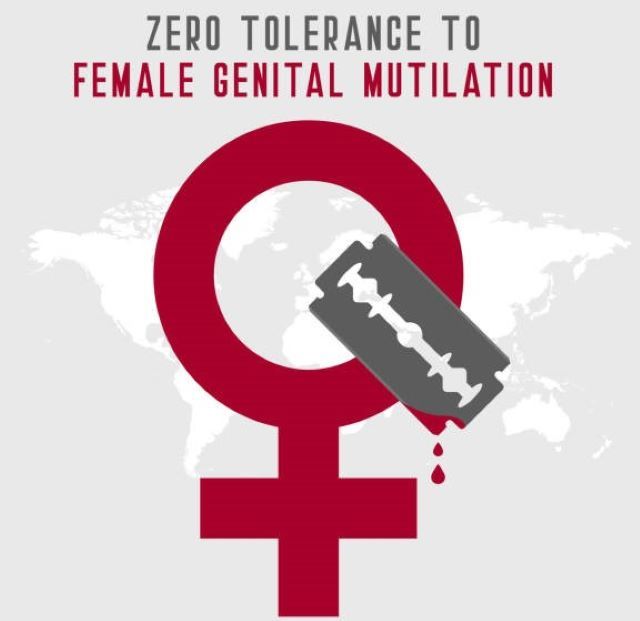
An artisan, Salaudeen Abiodun Mumeen, has petitioned the Convention on the Elimination of Discrimination Against Women (CEDAW) over an alleged attempt by members of his extended family to subject his five-year-old daughter to female genital mutilation (FGM).
In the petition, which was made available to journalists, Salaudeen alleged that some members of his family are insisting on upholding what they describe as a longstanding family tradition requiring all female children born into the family to undergo circumcision.
The petitioner, who resides at No. 6, Hastrup Layout, Sharp Corner, Oluyole Estate, Ibadan, appealed for urgent intervention to protect his daughter, Salaudeen Madea Olakunbi, from the practice.
According to him, the pressure is reportedly coming from one of his uncles from the Fawale Compound in Oke Oluokun, Ibadan, who is determined to ensure that the child undergoes the procedure despite his opposition.
“I am not comfortable with my daughter, Salaudeen Madea Olakunbi, being initiated into this family practice. One of my uncles from the Fawale Compound in Oke Oluokun, Ibadan, is insisting on carrying out FGM on my innocent five-year-old daughter. I know that this harmful belief and myth will have serious consequences for women’s health,” he said while speaking with journalists.
Salaudeen urged relevant government agencies, human rights organizations, and child protection authorities to intervene to safeguard his daughter from what he described as a harmful traditional practice.
Female genital mutilation (FGM) is internationally recognized as a violation of the rights of girls and women. The practice involves the partial or total removal of the external female genitalia or other injury to the female genital organs for non-medical reasons. Health experts and rights advocates have consistently warned that FGM has no medical benefits and can lead to severe physical, psychological, and reproductive health complications.
Despite legal prohibitions and sustained awareness campaigns in Nigeria, FGM continues to be practiced in some communities due to cultural beliefs and longstanding traditions. Stakeholders have continued to advocate for stronger enforcement of existing laws and increased public education to eliminate the practice.
Packaged by Oludotun Ajibola