























































Dangote Petroleum Refinery and Petrochemicals has expanded its free petroleum products delivery initiative to Kano, Imo, Anambra, and Nasarawa states, a move expected to reduce distribution costs for independent petroleum marketers and create room for lower petrol prices at the pump.
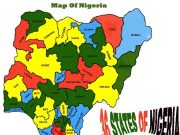
The initiative, which began with deliveries to Lagos, Ogun, Rivers, Kaduna, and Delta states, as well as Abuja, was designed to bring petroleum products closer to marketers and retailers while removing the cost of transporting products over long distances from the refinery to various parts of the country.
Under the arrangement, the refinery absorbs the cost of transporting petroleum products to selected locations, bringing supplies closer to marketers and retailers while reducing the expenses associated with long-distance haulage.
Group Executive Director, Commercial Operations, Oil & Gas, WAEP, and Fertiliser, Fatima Aliko Dangote, said the initiative was designed to ensure that the benefits of domestic refining translated into savings for businesses and consumers.
“The value of domestic refining must ultimately be felt beyond the refinery gate. By absorbing the cost of delivering petroleum products to our customers, we are removing a significant component of the distribution burden and creating room for those savings to flow through the value chain to consumers,” she said.
Dangote said the company’s goal was to make fuel distribution more efficient, reduce avoidable costs, and support more competitive pump prices across the country.
The development has been welcomed by the Independent Petroleum Marketers Association of Nigeria (IPMAN), which said the arrangement would ease some of the financial and logistical challenges facing independent marketers.
IPMAN National Publicity Secretary and Public Relations Officer, Chinedu Ukadike, said marketers often commit substantial funds to purchasing petroleum products and could wait days or weeks before their orders were loaded and transported.
He said the free delivery arrangement would reduce the period marketers’ funds remained tied up, improve cash flow, and allow them to deploy their capital more efficiently.
“This time around, Dangote has made it very, very easy for marketers. Marketers are jubilating, and you will see the return on investment as an independent marketer. Your money will not be tied down,” Ukadike said.
According to him, lower transportation costs could also translate into cheaper petrol for consumers, as haulage and other logistics expenses form part of the cost of products sold at filling stations.
“The more Dangote brings down its pump price, the more independent marketers will bring down theirs,” he said.
The initiative is particularly significant for marketers operating in areas far from the refinery, where transportation costs can be increased by haulage, vehicle operations, insurance, driver expenses, and road risks.
By moving products closer to destination markets, the arrangement could shorten the supply chain, improve distribution efficiency, and reduce some operational risks associated with long-distance transportation.
Ukadike commended Dangote Refinery for the initiative and urged the company to extend the programme to more parts of the country, particularly northern states.
He described the development as a practical benefit of competition and deregulation in Nigeria’s downstream petroleum sector.
“This is the beauty of deregulation and competition,” he said.
The expansion comes as Nigeria’s downstream sector continues to adjust to increased domestic refining capacity and a more competitive market.
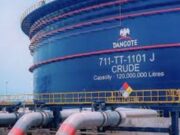
Dangote Petroleum Refinery has a nameplate capacity of 650,000 barrels per day and has increasingly supplied refined petroleum products to the domestic market while also targeting export markets.
The free delivery initiative adds a distribution-cost dimension to the refinery’s growing role in the downstream sector, with potential benefits for marketers and consumers if the savings are passed through to the pump.
For motorists and households, the expected benefit is simple: lower transportation costs could give marketers greater room to reduce petrol prices and improve supply efficiency.
Packaged by Lanre Olabisi