





























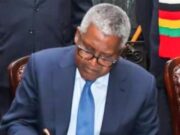

















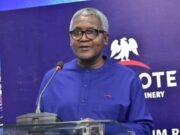







Labour leaders have raised fresh concerns over rising insecurity, poverty and the shrinking space for decent work in Nigeria.
They warned that worsening economic conditions were undermining workers’ welfare and national productivity.
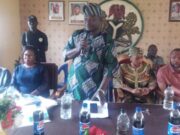
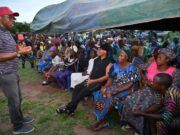
The concerns were expressed at the pre-May Day lecture convened by organised labour in Abuja, ahead of the 2026 Workers’ Day celebration.
A copy of the transcript was made available to our correspondent on Thursday night.
The President of the Nigeria Labour Congress, Joe Ajaero, said insecurity and poverty had become major obstacles to decent work, stressing that millions of Nigerians were trapped below the poverty line while quality jobs continued to disappear.
Ajaero noted that solving insecurity and poverty would significantly improve living conditions and economic activities across the country, especially in agriculture and small businesses.
According to him, “If we remove insecurity today, you see that there will be food everywhere. People will go back to their farms. You don’t even need the government to bring any cover. People will be free to move from one place to another to sell.”
The NLC president lamented that nearly 90 per cent of jobs in Nigeria were now in the informal sector, where workers lacked pensions, job security and decent conditions of service.
He, however, commended the Federal Government for reintroducing gratuity payments, saying workers deserved dignity after retirement.
Ajaero said, “If there is poverty, if there is insecurity, in most cases you don’t even have a job, let alone having a decent job.
“The issue of decent jobs is not about getting employment from the government. It’s all about what you take home.”
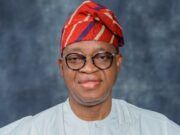
The President of the Trade Union Congress, Festus Osifo, called for stronger solidarity among workers and stakeholders to combat poverty and insecurity.
He said decent work remained non-negotiable for Nigerian workers and urged greater cooperation towards improving working conditions nationwide.
He said, “While calling for greater solidarity and cooperation towards the eradication of poverty and insecurity in our workplaces, in particular, and Nigeria in general, decent work is a must for Nigerian workers and is not negotiable.”
Delivering the keynote lecture, a scholar of international relations and strategic studies, Prof Kunle Olawunmi, described poverty and insecurity as direct threats to labour productivity, governance and national stability.
Olawunmi said Nigeria could not build a productive economy on “frightened communities, hungry households, underpaid workers and displaced citizens.”
Credit: punchng.com