















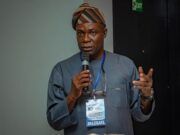














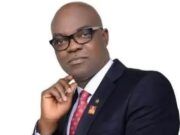





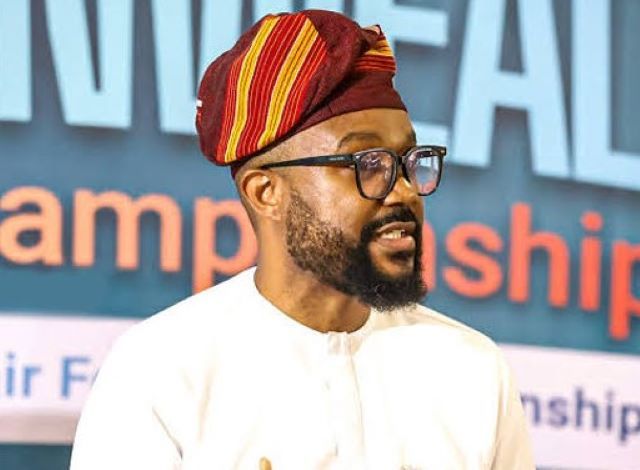
Nigeria has achieved a historic milestone in international sports administration as the country’s fencing president, Adeyinka Samuel, becomes the head of the Commonwealth Fencing Federation (CFF).
The development was announced in a statement issued by the federation in Lagos on Sunday, following the elective Annual General Meeting held at Rugby School Nigeria, Atlantic City, Lagos, on Saturday.
Samuel defeated incumbent President Marie-France Dufour by 14 votes to six, becoming the first Nigerian and African to lead the Commonwealth Fencing Federation.
His election also ends a long-standing leadership tradition dominated by representatives from countries including Scotland, Australia, and Canada.
“This is a great honor and a responsibility that I do not take lightly,” Samuel said.
“I am grateful to the Commonwealth fencing family for the confidence placed in me,” he added.
The newly elected president said his tenure would focus on expanding fencing across the Commonwealth while creating more opportunities for athletes and broadening participation in the sport.
“I believe we can work together to grow the sport, support our athletes, and make fencing more accessible and inclusive across the Commonwealth,” he said.
Samuel’s election comes as Nigeria hosts the Senior and Veteran Commonwealth Fencing Championships in Lagos, attracting participants from more than 20 countries.
The championships will also feature Under-23 and wheelchair fencing competitions as medal events for the first time, a move expected to strengthen inclusivity within the sport.
Delegates commended Samuel’s leadership record and his progression from an elite athlete to president of the Nigeria Fencing Federation.
During his tenure at the Nigeria Fencing Federation, the country hosted International Fencing Federation-sanctioned Junior World Cups and African Championships and became the first African nation to host the Senior Commonwealth Fencing Championships.
Samuel described his election as more than a personal achievement, saying it represented an important step towards greater African representation in international sports leadership.
Packaged by Lanre Olabisi