

















































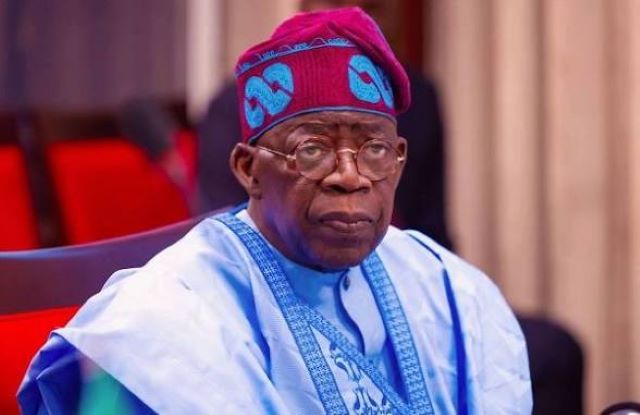
President Bola Tinubu has launched five social intervention and development programmes valued at about $3.05 billion, aimed at reducing poverty, strengthening community resilience, and improving access to healthcare and education across the country.
The programmes, unveiled in Abuja on Thursday by the Minister of Finance and Coordinating Minister of the Economy, Taiwo Oyedele, on behalf of the President, include the Nigeria Community Action for Resilience and Economic Stimulus Additional Financing (NG-CARES), the Solutions for Internally Displaced and Host Communities (SOLID) programme, and the Human Capital Opportunities for Prosperity and Equity (HOPE) package, comprising HOPE-Gov, HOPE Primary Healthcare (PHC) and HOPE-Education.
In a keynote address delivered, President Tinubu described the initiatives as key pillars of the Renewed Hope Agenda, saying, “The projects were designed to ensure that the gains of ongoing economic reforms translate into improved living conditions for Nigerians.”
He said the programmes would expand support for smallholder farmers and micro, small, and medium enterprises; strengthen primary healthcare; improve foundational learning in public schools; and support teachers.
They will also promote transparent governance at the ward level and provide infrastructure, livelihoods, and essential services for internally displaced persons and their host communities.
The president highlighted that the interventions formed a coordinated national strategy for poverty reduction, human capital development, and community resilience.
He emphasised that the Nigerian government was committed to ensuring that economic recovery reached every household.
In addition, President Tinubu said, “Nigeria’s economic reforms are already yielding positive outcomes, with real GDP recording 11.2 per cent growth and nearly 10 per cent per capita income growth in the United States dollar terms last year, while foreign reserves have exceeded $50 billion and inflation has declined significantly from its 2024 peak.”
He also said the government’s expanded cash transfer programme had reached 15 million vulnerable households, lifting an estimated 7.5 million Nigerians out of poverty.
The president explained that the programmes aligned with the Renewed Hope Development Plan (2026-2030), which focuses on economic diversification, human capital development, and stronger subnational institutions as part of the administration’s target of building a $1 trillion economy by 2030.
The Nigerian leader urged state governments, local governments, development partners, and implementing agencies to ensure effective implementation of the programmes, noting that their success depended on strong collaboration across all levels of government.
He restated the administration’s commitment to building a Nigeria where extreme poverty is reduced, every child has access to quality education and healthcare, and communities are better equipped to withstand and recover from economic and social challenges.
Packaged by Lanre Olabisi