






























































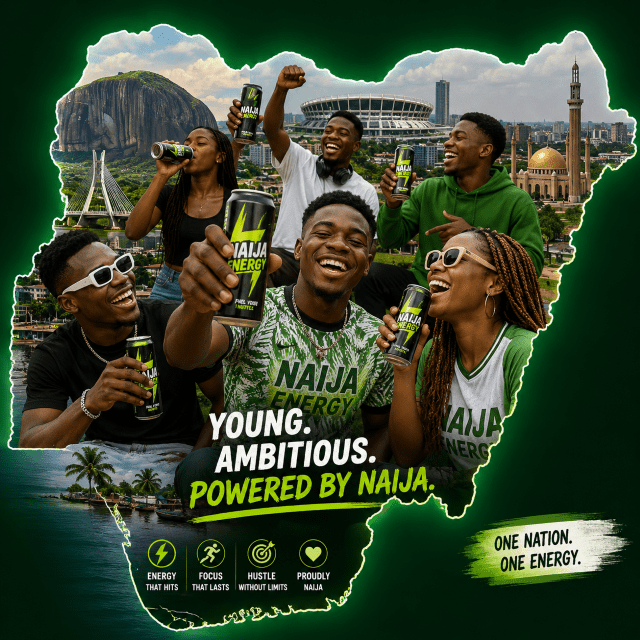
Across Nigeria, energy drinks have become a daily staple for many young people seeking quick stimulation to cope with demanding work schedules, academic pressure, nightlife, sexual performance concerns, and long-distance travel.
From motor parks and campuses to gyms and bars, these branded, ready-to-drink beverages are widely consumed for their caffeine boost and perceived ability to improve alertness, stamina, and performance.
However, growing health concerns, particularly the rising incidence of kidney disease among young people, are emerging due to excessive intake and poor regulation of consumption habits.
According to the US National Centre for Complementary and Integrative Health, energy drinks are widely promoted as products that increase energy and enhance mental alertness and physical performance.
“Next to multivitamins, energy drinks are the most popular dietary supplement consumed by American teens and young adults. Men between the ages of 18 and 34 years consume the most energy drinks, and almost one-third of teens between 12 and 17 years drink them regularly,” it stated.
The organisation explained that there are two types of energy drink products, including those sold in containers similar in size to ordinary soft drinks, such as a 16-ounce bottle. The other type, known as “energy shots,” is sold in smaller containers holding about two to two-and-a-half ounces of concentrated liquid.
“Caffeine is a major ingredient in both types of energy drink products — at levels of 70 to 240mg in a 16-ounce drink and 113 to 200mg in an energy shot. For comparison, a 12-ounce can of cola contains about 35mg of caffeine, and an eight-ounce cup of coffee contains about 100mg,” it stated.
It added that energy drinks may also contain ingredients such as guarana — another source of caffeine sometimes called Brazilian cocoa — sugars, taurine, ginseng, B vitamins, glucuronolactone, yohimbe, carnitine, and bitter orange, all of which can affect body functions.
However, medical experts warned that the high caffeine, sugar, and stimulant content of many energy drinks may contribute to dehydration, elevated blood pressure, heart complications, and kidney-related problems, especially when combined with alcohol or consumed excessively.
With increasing reports of kidney disease among young Nigerians, health professionals are beginning to question whether the growing culture of energy drink consumption is worsening an already troubling public health challenge.
A family physician, popularly known as #OurFavOnlineDoc on X, Dr Olufunmilayo Ogunsanya, warned that excessive consumption of energy drinks poses serious health risks.
He cautioned that the glucose-loaded beverages mask potentially dangerous health consequences, including possible renal failure.
“Generally, energy drinks are pumped with glucose and caffeine, among other things. The high glucose gives you energy, and the high caffeine is a stimulant that keeps you alert and energised,” he said.
According to him, excessive caffeine intake can worsen stomach ulcers, trigger abdominal pain, and overstimulate the heart. He added that irregular heartbeat, low blood pressure, headaches, dizziness, blurred vision, chest pain, kidney problems, and even collapse are possible side effects of energy drink consumption.
The World Health Organisation also warned that the rising incidence of kidney disease among young Nigerians in their 20s and 30s may be linked to excessive consumption of energy drinks.
Reports from dialysis centres further suggest that frequent consumption of popular energy drink brands may be contributing to the sharp rise in acute kidney injury and chronic kidney failure among young people.
The global health body said energy drinks contain high concentrations of caffeine, sugar, taurine and guarana, noting that these substances can lead to dehydration, elevated blood pressure and restricted blood flow to the kidneys, thereby causing strain or acute kidney injury.
According to the 2020 guidelines and recent health reports from 2025 to 2026, the WHO and local health experts stressed that kidney disease is a growing and serious concern among young Nigerians and should not be treated with kid gloves.
It noted that chronic kidney disease in Nigeria increasingly affects young adults in their 20s to 40s, often resulting in premature death.
Reports also estimate that between 11 and 19 per cent of Nigerians are living with kidney disease, with many cases recorded among people in their productive years.
The WHO emphasised that improving knowledge about non-communicable diseases and reducing high-risk behaviours are vital to prevention among young populations.
A population-based survey conducted in North-Central Nigeria showed that the age-adjusted prevalence of chronic kidney disease in urban populations stands at 12 per cent.
Springer Nature, a journal of medical case reports, documented multiple cases of energy drink-induced acute kidney injury and acute hepatitis, warning that excessive energy drink consumption could be harmful to the kidneys.
According to the National Kidney Foundation, energy drinks may temporarily boost energy, but they can also damage kidney health.
“Energy drinks are ultra-processed foods full of additives with little or no nutritional value. Research has linked a high intake of UPFs to an increased risk of kidney disease,” it stated.
The foundation explained that ultra-processed foods are heavily processed products loaded with artificial additives, added sugar, refined carbohydrates, saturated and trans fats, and sodium, while containing little fibre, protein or micronutrients.
“Energy drinks fall into this category because they have a lot of caffeine, added sugar and additives like phosphorus and sodium,” it added.
The foundation also referenced a study involving over 14,000 adults without kidney disease who were monitored for 24 years to determine whether ultra-processed foods increased the risk of developing kidney disease.
“Of all the UPFs studied, sugar-sweetened beverages and ultra-processed meats were the top culprits, increasing the risk of developing kidney disease by 22 per cent and 18 per cent,” the study stated.
Sunday PUNCH learnt that ultra-processed foods include carbonated soft drinks; sweet, fatty or salty packaged snacks such as cookies; mass-produced cakes; instant soups and noodles; processed meats; and cheese.
Speaking further, the Chief Scientific Officer of the foundation, Dr Kelly Willis, said people who consumed high amounts of ultra-processed foods had a 24 per cent higher risk of developing kidney disease.
“It is increasingly apparent that food is medicine: the right diet can prevent kidney disease, but some foods, especially in large quantities, may actually cause kidney disease.
“In this study, there was a direct correlation between the amount of UPF consumed and CKD risk. That should be concerning to everyone — physicians, patients, parents and public health officials,” she said.
Sustaining the line of argument, a consultant public health physician at the University of Ilorin Teaching Hospital, Kwara State, Prof. Tanimola Akande, warned against mixing alcohol with energy drinks, describing the practice as dangerous to the kidneys and overall health.
“Mixing alcohol with energy drinks is a popular practice, especially among young people, and it is a dangerous trend that is increasing in society. Energy drinks typically contain caffeine, plant-based stimulants, simple sugar and other additives,” he said.
He explained that when alcohol is mixed with caffeine, the stimulant effect can mask the depressant effects of alcohol, making drinkers feel more alert than they actually are.
“As a result, they may drink more alcohol and become more impaired than they realise, increasing the risk of alcohol-related harm. The consumption of energy drinks that contain or are mixed with alcohol may mask signs of impairment and increase the risk of injury,” he added.
On his part, Dr Chinonso Egemba, popularly known as Aproko Doctor, also warned Nigerians against mixing alcohol with energy drinks, noting that the combination can increase dehydration and place pressure on vital organs, including the kidneys.
Aproko Doctor stated that combining alcohol with highly caffeinated energy drinks can “mask intoxication,” causing people to consume more alcohol than their bodies can safely handle.
“Excessive alcohol and stimulant intake may increase the risk of dehydration, elevated blood pressure, kidney stress and long-term organ damage. This will make the kidney excrete more urine, while the body becomes confused about which instruction to follow when the system is confused,” he added.
Credit: punchng.com