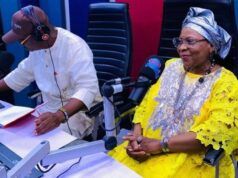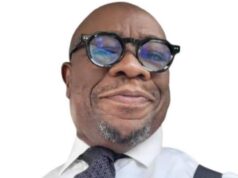

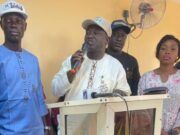
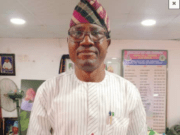
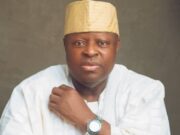
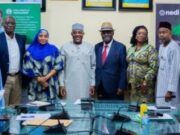

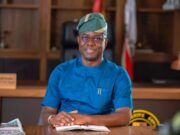
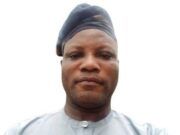

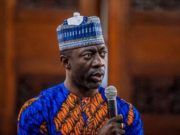
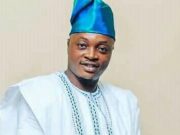
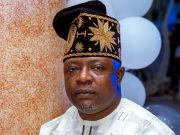


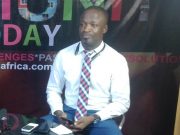

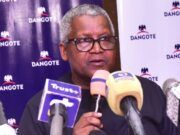



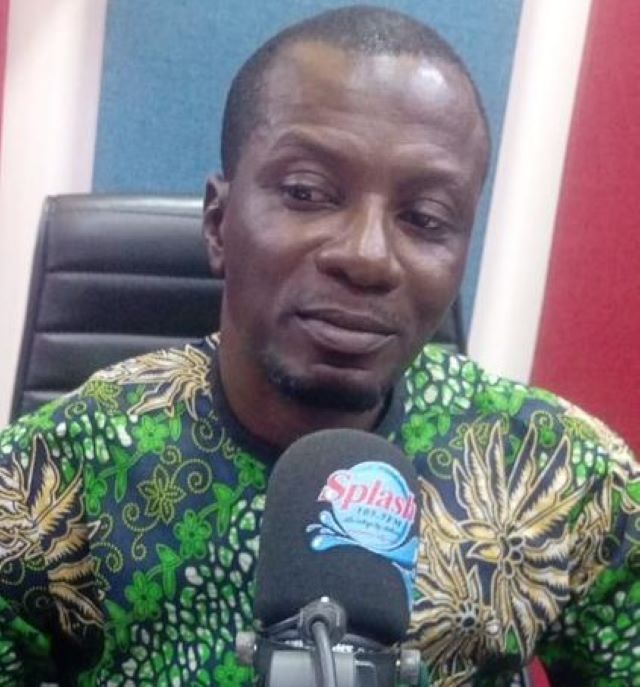
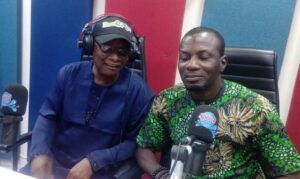
Akeem Babatunde Abas, Chairman of the Nigeria Union of Journalists (NUJ), Oyo State Council, recently appeared on Parrot Xtra Ayekooto on Splash 105.5FM, anchored by Olayinka Agboola. In the interview, he discussed the intrigues surrounding the Oyo NUJ election, addressed allegations of political backing, and outlined his vision to restore professionalism, unity, and ethical standards within the journalism sector. He also emphasised the importance of integrating online media practitioners and strengthening training initiatives for journalists across the state.
Excerpts:
How challenging was the campaign leading to your election as NUJ Chairman?
It was indeed a rigorous exercise, but not unfamiliar terrain. I give thanks to God for seeing us through the process, and I deeply appreciate members of the union in Oyo State for entrusting me with this mandate.
During the campaign, we made several promises, and I assure members that our vision and agenda will be fully implemented. Our goal is to ensure that every journalist under the NUJ umbrella is proud of the union and the profession.
There were rumours that politicians supported your candidacy. Can you clarify what actually happened?
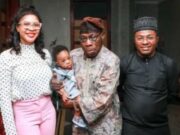
I made it clear during the campaign that no politician sponsored me. The speculation likely stemmed from an event two years ago when my father turned 75. I wrote and launched a book in his honour.
I could not build a mansion for him, but I chose to celebrate his life and principles. My father is a man who does not compromise, especially for pecuniary gains. The book launch attracted many dignitaries, and people showed their support. At the end of the day, he told me that whatever proceeds came from the book were mine.
That was purely a personal project, funded through my hard-earned efforts.
Some claimed your father’s political position influenced your victory. What is your response?
That narrative was part of the propaganda during the campaign. Yes, my father is the current APC chairman in the state. He is a pharmacist by profession and a politician by calling, long before I was born.
However, his political career does not correlate with my professional journey in journalism. I am a trained journalist, and my father cannot impede my progress in my chosen field, just as I cannot interfere in his political calling. If heavy monetisation had truly determined the outcome, I would not have emerged victorious. Members voted based on trust and credibility.
Did you reach out to your opponents after your victory, and why?
Yes, I called both of them. I believe we are one family, bound by a sacred duty to journalism. Elections may come and go, but our shared responsibility to the profession remains.
What are your primary responsibilities as Chairman of Oyo NUJ?
My foremost responsibility is to protect the interests and welfare of our members. We are also focused on promoting professionalism and ethical conduct. To achieve this, training is key. We plan to train at least 300 journalists within our three-year tenure—at a minimum of 25 journalists per quarter. It could be more, but certainly not less than 300. We have already secured AI training for over 120 journalists, scheduled to commence by the end of January. In addition, we have arranged Google training in partnership with Google Africa, which will begin in February. These initiatives are designed to equip our members with modern skills relevant to today’s media landscape.
How significant are online media practitioners to journalism in Oyo State?
They are extremely important. Before the advent of new media, many of us complained about limitations in traditional platforms. Now that digital platforms are here, we should not dismiss practitioners as non-professionals. What is needed is proper regulation and integration. That is why the online media must operate under a recognised chapel within the NUJ structure. The issue of online media practitioners not voting during the last election was largely political. However, that has been addressed.
How do you plan to prevent political influence and disputes in future elections?
We are working towards establishing a comprehensive database of all journalists and chapels. This will determine the number of delegates in future elections and ensure transparency. In the South-West (B Zone), Lagos currently has the highest number of delegates, followed by Oyo. Due to internal politics in the past, Oyo’s numbers fluctuated, but that has now been corrected. I was present at the inauguration of the Online Chapel at the NUJ Hall, alongside its chairman and secretary. There is no way I would deny the online chapel recognition.
How can unhealthy rivalry between traditional and new media be reduced?
We may not eliminate it completely, but we can significantly reduce it—perhaps by 60 to 70 percent. The solution is inclusion and regulation. By bringing online practitioners under the NUJ structure, we can uphold etiquette and professional standards.
We have committees dedicated to maintaining ethical standards. When inaccurate reports are published, we engage the individuals involved, seek clarification, and provide corrective guidance. Training remains a key solution. We can also facilitate professional courses at institutions like the Nigerian Institute of Journalism (NIJ).
What should the relationship between journalists and politicians look like under your leadership?
I do not believe in being subservient to politicians. Journalism must remain independent. Those who lack passion for the profession may think survival depends on political alignment, but that is not my philosophy.
I do not blackmail people, nor am I a propagandist. Such practices violate the ethical standards of journalism. Our duty is to inform, educate, and hold power accountable responsibly.
From your perspective, what do you think needs to be done to make Nigeria better?
As Nigerians, when we see anomalies, we must correct them. We must promote and protect the image of our country.
One of the major challenges we face is not the absence of laws, but the failure to adhere to them. Too often, some individuals place themselves above the law. For Nigeria to progress, the rule of law must be respected by all citizens and leaders alike.
PS: This interview was published in our ParrotXtra Magazine’s Vol 12 No 17