





















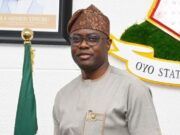














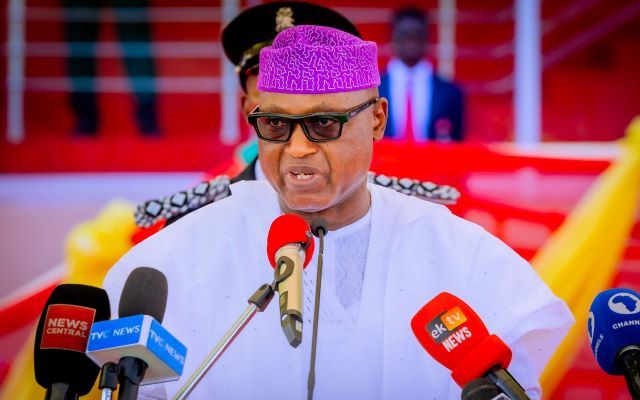
It is no longer news that Governor Biodun Oyebanji has jump-started his second term in office from on October 16, 2026.
However, the expectations of Ekiti residents are clear: better roads, more reliable electricity, accessible healthcare, improved education, jobs for young people and a stronger local economy that translates government spending into tangible benefits for households.
The governor returns to office with an opportunity to consolidate projects and policies initiated during his first four years. His administration has highlighted investments in infrastructure, education, healthcare, agriculture, youth empowerment and public-sector welfare. The challenge now is to demonstrate that these interventions can produce measurable, lasting improvements in the lives of ordinary residents.
The second term will therefore be judged not simply by the number of projects announced or commissioned, but by how effectively they address the everyday problems confronting families, traders, farmers, artisans, civil servants and young people searching for employment.
Roads and infrastructure: From construction to connectivity
Road development is expected to remain a major feature of the administration’s agenda. Government officials have reported extensive construction and rehabilitation across the state, including work on strategic routes and rural roads intended to connect farming communities with markets.
The Ado-Ekiti Ring Road and the Ekiti Agro-Allied International Cargo Airport, which commenced commercial operations in 2025, are among the infrastructure projects the administration has identified as important to the state’s economic development. The government has also announced plans to expand rural road development, with a target of delivering up to 1,500 kilometres through different interventions and partnerships. These are stated targets, and residents will need regular updates on their implementation.
For Ekiti people, the real test will be whether improved roads reduce travel time, lower transportation costs, improve access to markets and make movement between rural communities and urban centres easier.
Farmers in particular will expect better access to agricultural markets, while residents of communities with deteriorated roads will want to know when their routes will receive attention.
The administration must also ensure that completed roads are properly maintained. New construction attracts attention, but maintenance is essential if public investments are to deliver value over time.
Electricity and water: Basic needs that cannot wait
Reliable electricity remains essential to the survival and expansion of small businesses. Tailors, welders, barbers, food processors, cold-room operators and other artisans depend on power to operate efficiently. When electricity is unreliable, business owners often resort to generators, increasing their operating costs and the prices charged to customers.
Oyebanji has identified electricity access as one of the areas requiring sustained intervention. His administration has reported improvements in selected communities, while acknowledging that legal and regulatory constraints affect the ability of state governments to provide electricity directly through distribution networks.
Residents will expect the government to pursue practical partnerships and lawful solutions that extend reliable power to underserved communities and economic centres.
Water supply deserves similar attention. The government has reported the construction of more than 500 boreholes and proposed additional facilities. In the second term, the emphasis should be on functionality, equitable distribution and maintenance, rather than simply counting installations.
For households, schools, health facilities and businesses, the important question is whether clean water is available consistently and at an affordable cost.
Education: Sustaining access and improving quality
Education has been one of the administration’s stated priorities. Government officials have reported renovations across primary and secondary schools, improvements to school facilities and support for students sitting external examinations.
According to figures released by the administration’s second-term inauguration committee, the government spent approximately ₦2.158 billion on WAEC examination fees for 69,000 students and provided free JAMB forms to 12,400 students during the period covered by its report.
These interventions can reduce the financial burden on families. However, access to examinations is only one part of educational development.
Parents and students will expect more qualified teachers, functional classrooms, adequate learning materials, improved digital facilities and stronger academic outcomes. The government must also demonstrate that school renovations translate into safer and more effective learning environments.
The second term offers an opportunity to connect its investment in school infrastructure with improvements in teaching quality, student performance and access to technical and vocational education.
Healthcare: Bringing quality services closer to the people
Healthcare is another sector where residents will expect visible improvements. The administration has reported renovations at more than 100 primary healthcare centres and improvements to general hospitals.
Such investments are important, but buildings alone cannot guarantee quality healthcare. Facilities need qualified medical personnel, essential medicines, functioning equipment, reliable electricity and water, and effective referral systems.
Residents will want to know whether they can obtain treatment closer to home without facing prohibitive costs or travelling long distances for basic services.
The government has also reported the recruitment of more than 300 nurses and 1,500 health assistants during its first term. The next challenge will be to ensure that healthcare workers are deployed where they are most needed and that facilities are adequately equipped to serve patients.
The success of the administration’s healthcare agenda should ultimately be measured by accessibility, affordability, service quality and patient outcomes.
Jobs, agriculture and opportunities for young people
Perhaps the most pressing expectation among many young Ekiti residents is access to decent employment and opportunities to earn a sustainable living.
The administration has promoted its Bring Back the Youth into Agriculture initiative, which officials say has engaged more than 5,000 young people in commercial agriculture. It has also reported financial support for small businesses, cooperatives and other enterprises.
These programmes could contribute to economic development if beneficiaries receive appropriate training, reliable market access, affordable financing and sustained support. Agriculture, in particular, offers opportunities beyond primary production, including food processing, packaging, storage, transportation and marketing.
The cargo airport could also create opportunities for investment and agricultural exports, although the scale of these benefits will depend on logistics, market demand, infrastructure and the ability of local businesses to participate.
In the second term, residents should expect clearer information about the number of sustainable jobs created, the businesses that survive beyond initial support, the incomes earned by programme beneficiaries and the opportunities available to young people who are not already connected to government initiatives.
The ultimate goal should be an economy in which more residents can build livelihoods through productive work and enterprise, rather than depend primarily on government appointments or short-term interventions.
Public finance and accountability: Showing where the money goes
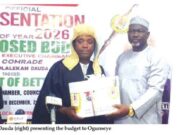
Oyebanji presented a proposed ₦490.74 billion budget for 2027 to the Ekiti State House of Assembly. The proposal, titled the “Budget of Sustained Progress and Prosperity,” is intended to support the administration’s priorities in the coming fiscal year.
A budget proposal, however, is not the same as money already spent or projects completed. Residents and the media will need to track its passage, implementation and results.
The government should publish accessible information showing how much has been allocated to key sectors, how much has actually been released and spent, which projects have been completed, and what measurable outcomes have followed.
Open procurement, timely project updates and independent scrutiny would help citizens assess whether public resources are being used effectively. Such accountability is particularly important when resources are limited and communities face competing demands for roads, schools, healthcare, water and electricity.
The administration has highlighted Ekiti’s performance in fiscal transparency assessments. Sustaining transparent financial management will require continued disclosure, credible oversight and a willingness to address shortcomings identified by citizens and independent institutions.
Inclusive governance: Ensuring that every community counts
Ekiti’s development needs are not uniform. Communities differ in their access to roads, electricity, water, healthcare, schools and economic opportunities.
The governor has pledged to continue stakeholder consultations across the state’s three senatorial districts. In the second term, the value of these engagements will depend on whether community concerns influence budget decisions and project delivery.
Traditional rulers, local government representatives, civil society groups, professional associations, organised labour, women and youth groups should have meaningful opportunities to raise concerns and monitor commitments.
The government must also communicate clearly when projects are delayed, when priorities change and why some interventions take precedence over others. Public engagement should be a two-way process, with residents able to obtain answers and track progress.
The challenges Oyebanji must confront
The second term will not be without constraints. Limited public resources, the cost of infrastructure, unemployment, rising household expenses and the demands of maintaining existing facilities will compete for government attention.
The administration will need to balance major capital projects with the recurring costs of delivering public services. It must also ensure that development extends beyond visible projects in major urban centres to rural communities that may have more basic needs.
Equally important is the need to avoid measuring success solely through announcements, ceremonies and aggregate figures. A completed road should be accessible and durable; a renovated hospital should provide reliable services; a borehole should function; and an empowerment programme should produce benefits that last.
These are practical standards by which residents can evaluate the government’s performance.
Conclusion: A second term measured by results
As Oyebanji begins another four years, Ekiti residents have reason to look closely at the administration’s stated priorities and the resources committed to them. The government has identified infrastructure, education, healthcare, electricity, agriculture, youth development and economic growth as major areas of focus.
Its task now is to translate these plans into improvements that residents can see and experience in their daily lives.
For farmers, success may mean better roads to markets and more reliable access to electricity. For parents, it may mean improved schools and affordable education. For patients, it may mean functioning health facilities and available medical personnel. For young people, it may mean decent jobs, viable businesses and a clearer path to economic independence.
Ultimately, Oyebanji’s second term will be judged by the gap between promises and delivery. The people of Ekiti will expect continuity where programmes work, correction where they fall short, and a clear demonstration that public resources are improving lives across the state.
Packaged by Alice Egbedele