






























































Waiting for an expensive order in Nigeria comes with real anxiety. Whether you ordered an iPhone from an e-commerce platform or sent a laptop to a relative via interstate transit buses, stories of packages getting emptied along the way are everywhere.
How to protect your orders
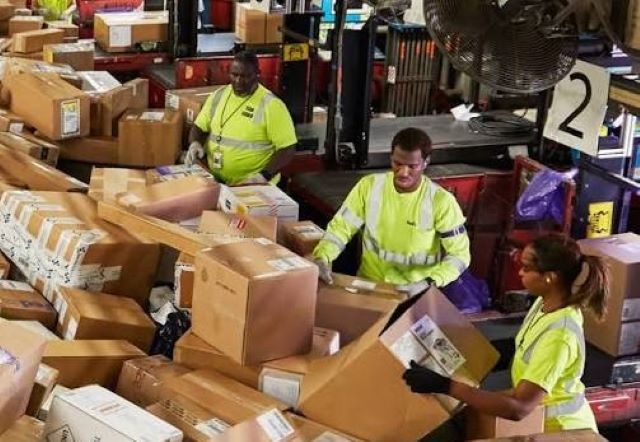
Many shoppers assume goods only get lost during armed transit attacks. In reality, the most frequent theft happens silently inside logistics hubs, loading bays, and the back of dispatch vans.
In this article, Tribune Online examines five clever ways rogue handlers steal or swap items inside transit boxes, along with how to stay protected.
The bottom-slit and reseal trick
Most buyers immediately check the top of a carton where the shipping label and company brand tape sit. Handlers know this pattern very well. They turn the carton upside down, use a razor blade to cleanly slice open the bottom seam, and pull out the valuables without tearing the top security seal.
Once the item is out, they press the bottom flaps back together and secure them with plain brown or clear parcel tape. Because people rarely turn packages over on the spot to inspect the base, the recipient signs the delivery note and only notices the loss hours later.
The exact-weight dummy swap
A significant worry for logistics staff is the weigh-in checkpoint across sorting hubs. Many hubs scan parcels to verify that the weight recorded at pickup matches the weight during handover. When handlers want to steal a heavy item like a smartphone or tablet, simply taking it out will ring alarm bells right away.
To beat this verification, handlers swap the original device with items that weigh roughly the same amount. Slices of floor tiles, blocks of soap, used batteries, or stones wrapped in bubble wrap go right inside the retail box.
According to security reports highlighted by logistics safety firm Shosky Security, dummy replacements remain one of the most common forms of undetected parcel tampering globally because parcel scales report identical numbers from dispatch to doorstep.
Heat gun tape peeling
Companies frequently invest in branded security tape or tamper-evident seals to convince buyers their parcel is safe. However, dishonest workers have discovered that standard packing glue softens quickly when exposed to steady heat.
Using industrial heat guns or even handheld hair dryers in warehouse blind spots, rogue handlers gently warm the adhesive until the tape lifts cleanly without ripping the cardboard paper beneath. They slide out the contents, press the original warm tape back down smoothly, and allow it to cool. The packaging ends up looking completely untouched to the untrained eye.
Deliberate “damaged in transit” staging
Sometimes package handlers take a much bolder approach by deliberately crushing or puncturing a carton. If a handler spots an unmistakable brand box, such as an expensive designer watch or high-end game console, they can purposely puncture the side of the box against a shelf corner.
The handler then reports the parcel as “damaged in transit” or “torn packaging.” During the chaotic re-packaging and re-taping process, the valuable item is quietly pocketed. By the time the receiver is contacted about a busted parcel, the shipping hub blames accidental transit friction rather than targeted employee theft.
The final leg of delivery—between the local distribution hub and your gate—is the most vulnerable link in the logistics chain. Independent dispatch riders and third-party contractors frequently handle this stretch with far less supervision than airport or central warehouse workers.
Corrupt dispatch riders sometimes open boxes just minutes before meeting the buyer, remove the item, and drop dummy trash inside. When you open the door, the rider rushes you to share the delivery confirmation code or sign quickly, claiming they have twenty other urgent deliveries to make.
If you confirm receipt before checking the box, the delivery app records the package as safely delivered, leaving you with a tedious dispute process against the logistics company.
How to protect your orders
Never share your One-Time Password (OTP) or sign any physical paper slip until the box is in your hands. Always inspect all six sides of the carton, paying close attention to the bottom tape and any secondary layers of clear tape laid over branded seals.
Whenever you are receiving high-value gadgets, unbox the parcel right in front of the delivery rider while recording a continuous, clear video on your phone. If the seal looks cut, tampered with, or feels suspiciously light, decline delivery immediately and file a formal report with customer support.
Credit: tribuneonlineng.com