


































A few days ago, a friend engaged me in a frank discussion on the role I have been playing in the last two months around the flag-off campaign for the second-term bid of His Excellency, Governor Biodun Abayomi Oyebanji. His question was direct, honest, and thought-provoking: “What has tourism got to do with political campaigns?”
I smiled, not because the question was misplaced, but because it touched the heart of a matter many people hardly pause to examine. By the time we got halfway into the discussion, my friend, Omotehinse Babatope, said, “Brilliant, Wale. You got it right. Truly, campaigning is a tourism issue. It is about movement and its allied value chain.”
Honestly, Babatope is not the only one in that school of doubt. There are many people who still see tourism only through the narrow window of waterfalls, resorts, mountains, caves, museums, festivals, and leisure trips. I have to thank him for raising the issue because his question gives us a useful opportunity to explain one of the most ignored truths in public discourse: political campaigns are not only about slogans, speeches, rallies, party colors, and electoral persuasion. They are also powerful economic activators.
Campaigns move people. They stimulate spending. They awaken hospitality. They energize transport. They create temporary markets. They place unusual demands on accommodation, food, entertainment, printing, fuel, fashion, media, grooming, recreation, and nightlife services. Wherever people move, gather, eat, sleep, buy, celebrate, interact, and experience a destination, tourism value is being created.
This is exactly what is unfolding in Ekiti State as the second-term campaign movement of Governor Biodun Abayomi Oyebanji gathers momentum. Beyond the political excitement, the campaign is already revitalizing the local tourism and hospitality economy.
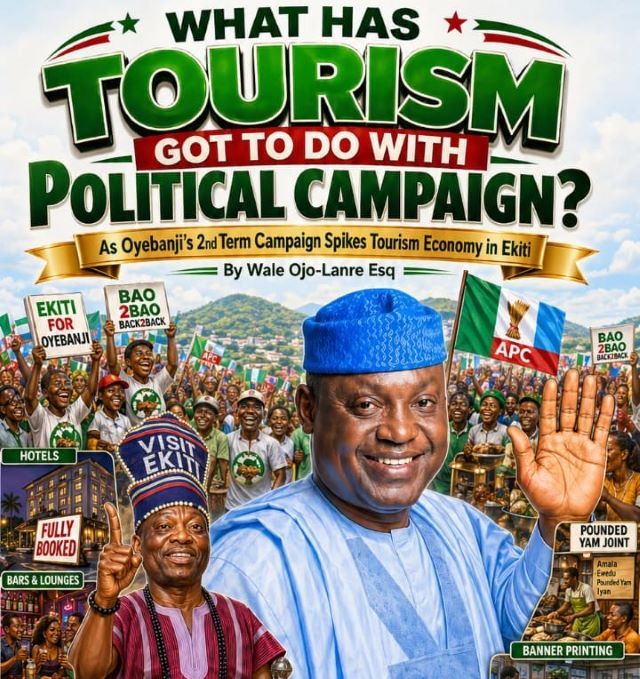
Hotels are recording increased bookings. Bars and lounges are receiving larger patronage. Taxi drivers and Okada riders are making more trips. Pounded yam joints and local food spots are swelling with customers. Banner makers, printers, and branding experts are smiling all the way to the bank. Petrol stations are witnessing higher sales as campaign vehicles, buses, private cars, and logistics teams move from one location to another.
Night businesses are gaining renewed energy. Pharmacies are receiving more patronage. Barbing salons, fashion designers, makeup artists, photographers, decorators, MCs, DJs, drummers, and food vendors are all experiencing the ripple effect of political movement.
This is the tourism economy in motion.
Tourism is not a dead word locked inside textbooks. It is a living economy of movement, experience, hospitality, spending, memory, and interaction. A major political campaign is, therefore, not merely a political event; it is a mass gathering with serious economic implications.
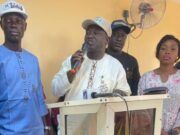
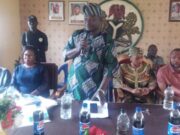
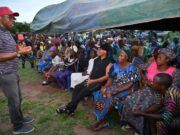
In Ekiti today, the campaign atmosphere is proving this point clearly. People are arriving from towns, wards, local governments, neighboring states, and different support networks. They need accommodation, food, drinks, transport, communication, grooming, security, entertainment, and basic support services. Every one of these needs opens a door for local businesses to earn income.
That is why a campaign ground should not be seen only as a field of politics. It is also a temporary tourism marketplace. The hotelier who gets extra guests, the food seller who sells more plates of pounded yam, the petrol attendant who dispenses more fuel, the okada rider who carries more passengers, the printer who produces banners, the drummer who performs, the DJ who is engaged, the tailor who sews campaign attire, the photographer who covers the crowd, and the vendor who sells water are all participants in the tourism economy.
Governor Oyebanji’s campaign has therefore become more than a political mobilisation exercise. It has become an economic current flowing through the veins of Ekiti’s local enterprises. It is waking up small businesses, enlarging daily sales, creating short-term jobs, and demonstrating the hidden strength of crowd-based economic activity.
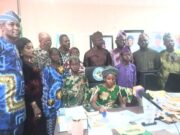
That is why the Ekiti State Bureau of Tourism Development has been deliberately positioning itself to capture and project the tourism value embedded in mass gatherings, including major political campaign activities. The Bureau understands that wherever people gather in Ekiti, tourism must be visible; wherever visitors arrive, hospitality must be activated; and wherever crowds move, local enterprise must be supported.
In line with this understanding, the bureau has continued to promote the Visit Ekiti brand, showcase the state’s attractions, engage hospitality operators, encourage service standards, support cultural visibility, and document the economic impact of major events on local businesses.
For the Bureau, tourism is not an isolated activity hidden inside resorts and waterfalls; it is a living economy that flows through hotels, restaurants, transport systems, entertainment, branding, culture, food, recreation, and community enterprise.
This explains why campaign-season activities are also being viewed through the lens of destination promotion and hospitality development. As people move into Ekiti for rallies, meetings, and political engagements, the Bureau is ensuring that the state’s tourism identity remains visible and that visitors are reminded that Ekiti is not only a political space but also a destination of nature, culture, history, and hospitality.
Through strategic visibility, cultural projection, hospitality advocacy, and destination messaging, the Bureau is reinforcing a simple but powerful truth: political movement can create tourism value when properly understood, organized and projected.
The campaign atmosphere has, therefore, become another opportunity to tell the Ekiti tourism story, promote local enterprise, and deepen public appreciation of tourism as everybody’s business.
Imagine campaign venues carrying attractive tourism corners with bold images of Ikogosi Warm Springs, Arinta Waterfall, Ugele Rock Shelter, Abanijorin Rock, Oke Sagbonke, Osun Igede Sanctuary, Opeoloriyeye Palm, and other remarkable sites. Imagine visitors receiving tourism messages directing them to places to visit after the rally. Imagine cultural troupes giving each campaign stop a unique Ekiti identity. Imagine food vendors proudly presenting Ekiti cuisine as part of the campaign experience. That is how politics can serve tourism without tourism losing its professional dignity.
The campaign should not leave behind only posters, dust, and political memories. It should leave behind income, patronage, visibility, cultural pride, and destination awareness. It should help hoteliers, transporters, food sellers, entertainers, artisans, and service providers to benefit from the movement of people.
What is happening in Ekiti now confirms a simple but powerful truth: politics moves people, but tourism converts movement into value. Politics gathers crowds, but tourism turns crowds into an economy. Politics creates attention, but tourism transforms attention into destination visibility.
Oyebanji’s second-term campaign has spiked the tourism economy in Ekiti. The evidence is not hidden. It is in the hotel rooms being booked, the bars being filled, the taxis moving, the okada riders smiling, the pounded yam joints swelling, the banners being printed, the petrol stations selling, the night businesses booming, the pharmacies receiving customers, the barbing salons receiving clients, and the small businesses feeling the pulse.
This is why tourism administrators, policymakers, political actors, and business owners must begin to see campaign activities differently. A political campaign is not just a campaign. It is a forum for injecting the tourism economy into the host community.
So, has tourism got anything to do with political campaigns? In Ekiti today, the answer is boldly written in the movement of people, the swelling of hotels, the rush at food joints, the smiles of transporters, the traffic at petrol stations, the boom in printing shops, the energy of night businesses, and the renewed patronage of local enterprises.
Yes, tourism has everything to do with political campaigns when the campaign moves people, activates hospitality, creates demand, and leaves economic value behind. That is why Oyebanji’s second-term campaign is not only moving supporters; it is also moving the tourism economy of Ekiti State.
Join Ekiti to campaign for Governor Biodun Abayomi Oyebanji tomorrow Monday 27 April 2026. Then visit any Ekiti Tourism Sites in Ekiti on Tuesday 28 April 2026.
Call +2348033490986
Sent in by Wale Ojo-Lanre, Esq.